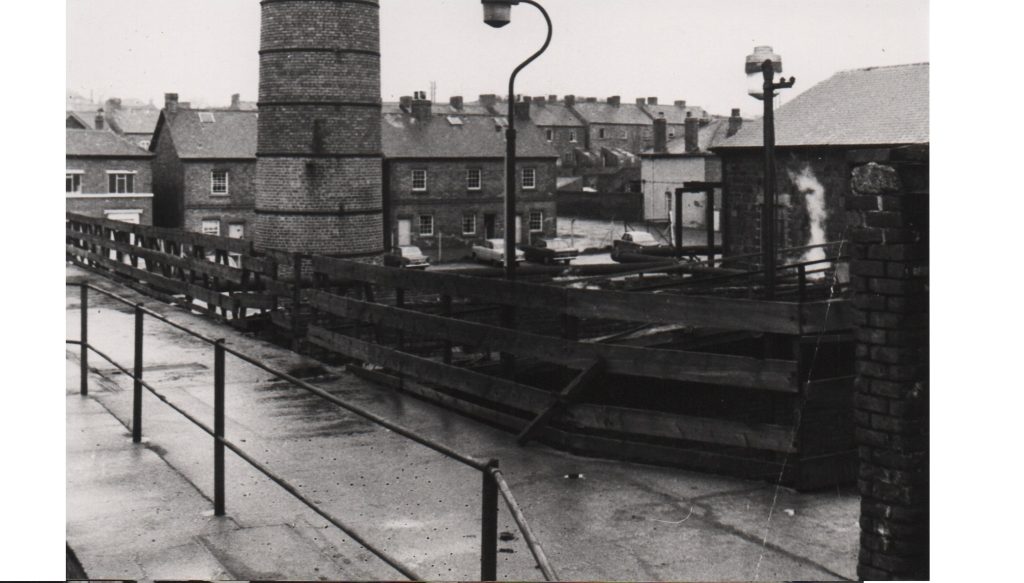
The pit was first sunk in 1871 by the Blackwell Colliery Company. The rights were leased from a Mrs H. B. Whitworth, who owned the royalties from 1875.Two shafts were sunk , the first giving access to the Low Main coal seam at a depth of 216 metres , the second the Deep Hard seam at a depth of 162 metres . The Silkstone seam was also worked but was abandoned in 1881. The coal produced was used for the domestic and manufacturing industry markets. In the early years the colliery produced about 1,500 to 2,000 tons per day. Initially the coal was mined completely by hand. But production increased dramatically with the introduction of mechanisation in the early 1930’s. The degree of this mechanisation was hampered by the geology of the seams which were convoluted this being one of the reasons that ponies were employed throughout the life of the pit to haul the tubs to the pit bottom. The granary catered for the food needs of ponies from all five pits. What are termed these days as value added products were produced at A Winning , these including coke ,created by decarbonization of coal, in this instance from the low main seam , coal gas and benzol. The coke for smelting iron and heating. Benzol as an automotive fuel. The quantity of gas not used on site was pumped to the Derby Corporation Gas Works a matter of eleven miles away.
The pit was sunk on what would be termed today as a greenfield site which meant that Blackwell Colliery Company had to provide housing and infrastructure for the incoming work force. Initially housing was provided adjacent to the colliery with accommodation for management within the pit yard.
Further housing was built on what is Primrose Hill. This development including a public house , slaughter house and butchers shop, grocery shop, welfare and reading room , hospital , chapel , school ,a large residence called Pendean House for the colliery company general manager, not to be confused with the colliery manager who was housed in a property on Mount Pleasant .All the bricks used came from the companies brick kilns which used clay which was spoil from the mining process. All this was achieved between 1871 and 1885.
The highest recorded output was 578,059 tons in 1957, with the highest recorded man power 1,342 in 1952.The pit closed in 1969.
Ian Newham 2025
November 11th 1895 Explosion kills 7 colliers
Next Coal Page …Hilcote B Winning Colliery
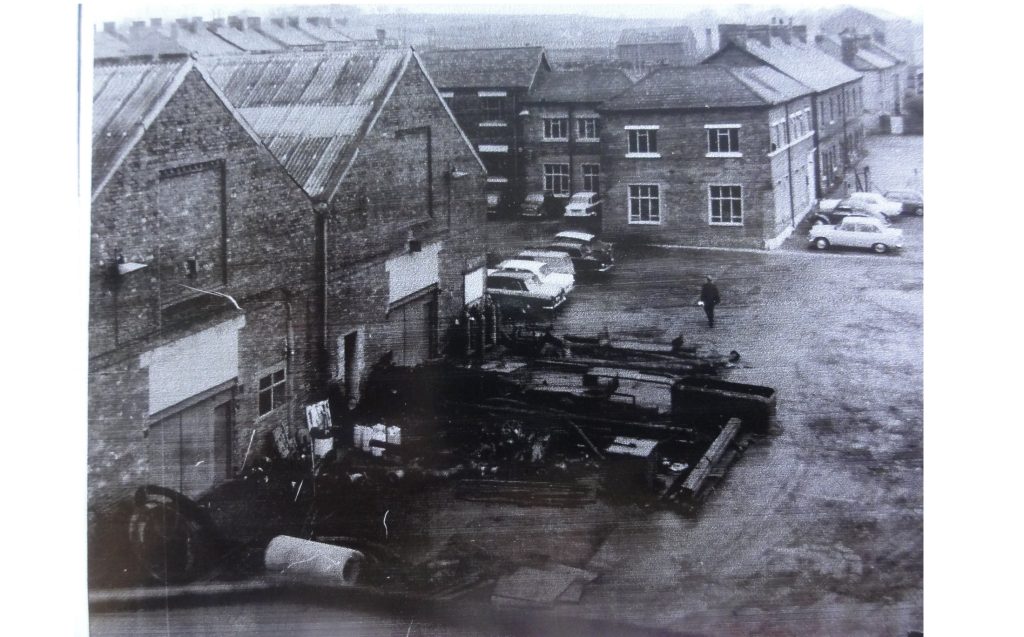
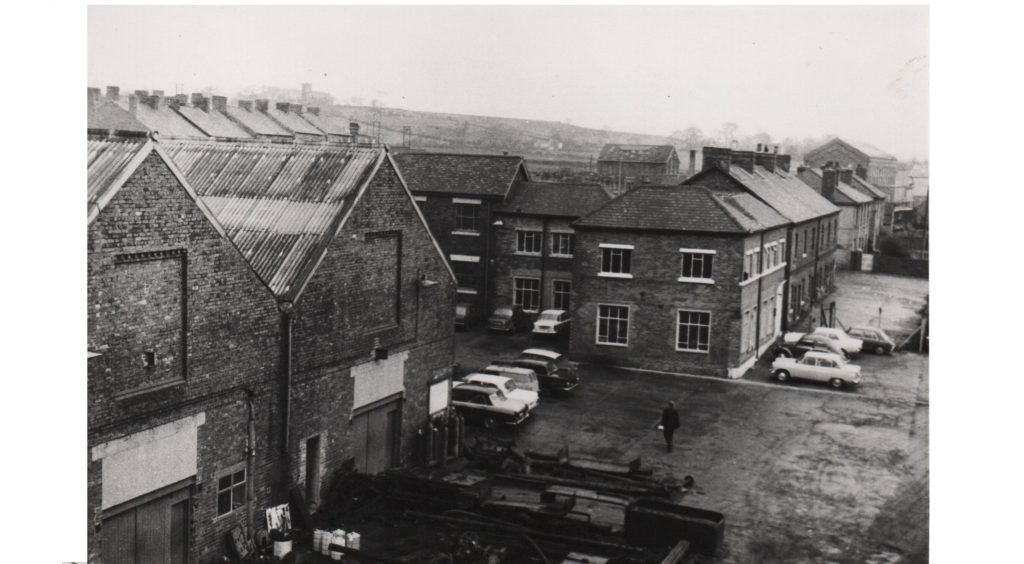
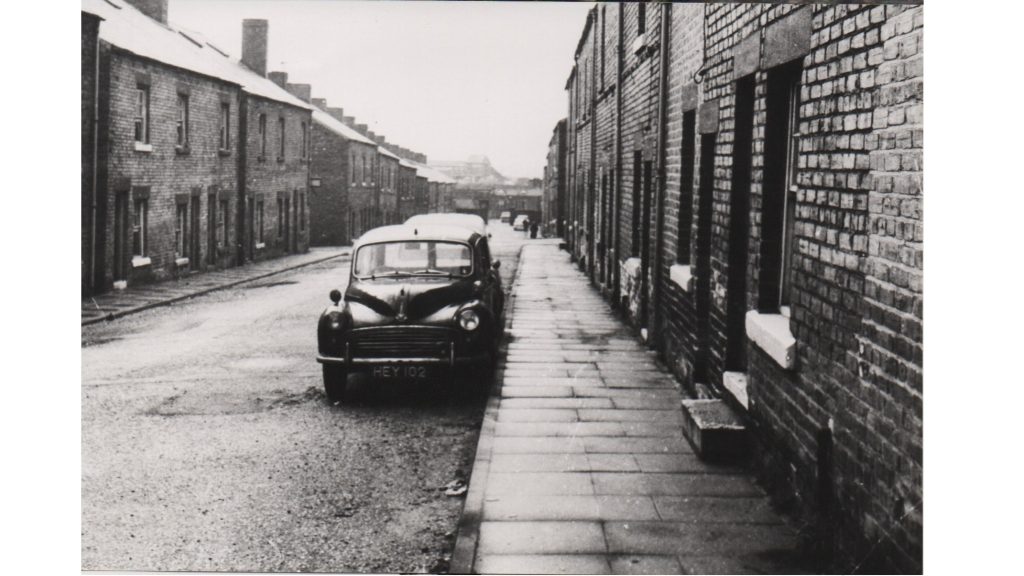
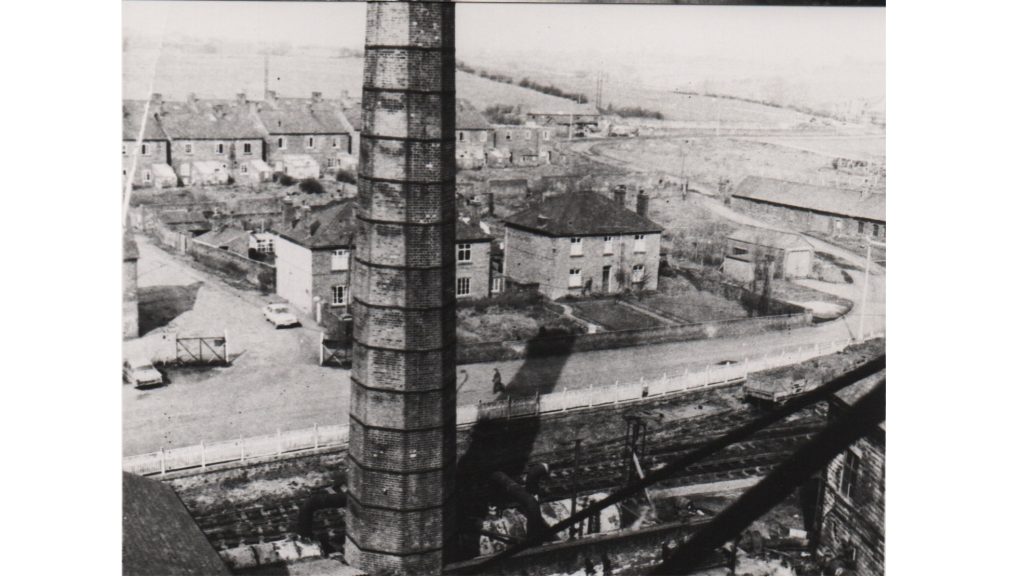
These photos supplied largely by Kev McCormack show many of the views of A Winning