A few words from Greater Creative’s project Facilitator, Jodie Cresswell-Waring (Co founder and Director –of Platform Thirty1)
Long before we secured funding for our new local Blackwell Parish history project, Home Truths, Greater Creative had been developing work that celebrated and made visible our working-class, ex-industrial roots. As we reflected on those earlier projects, we began to notice a pattern: our focus had predominantly centered on men’s stories.
When we began Home Truths, we spent time with residents looking through old parish photographs — images that were often scarce and carefully saved for special occasions. In the few photographs we found of women, their presence offered only a small window into their lives. They were frequently pictured in the background, talking over garden fences, wearing aprons, while children played in the yards and streets. The other photographs that consistently surfaced came in the handbags and were in frames, they were of their wedding day. Women appeared most visibly in the parish archives dressed in white.
It wasn’t long before members of the Greater Creative working party began to connect these wedding images to the parish church itself. From that point, a new idea began to take shape. We set out with a light but meaningful intention, to gather as many parish wedding photographs as we could, and to explore the possibility of creating a lightbox installation to be housed in the churchyard during the darker months.. . we also started to gather cooking recipes as that emerged time and time again when we asked women what they felt was important to preserve particularly women’s histories:
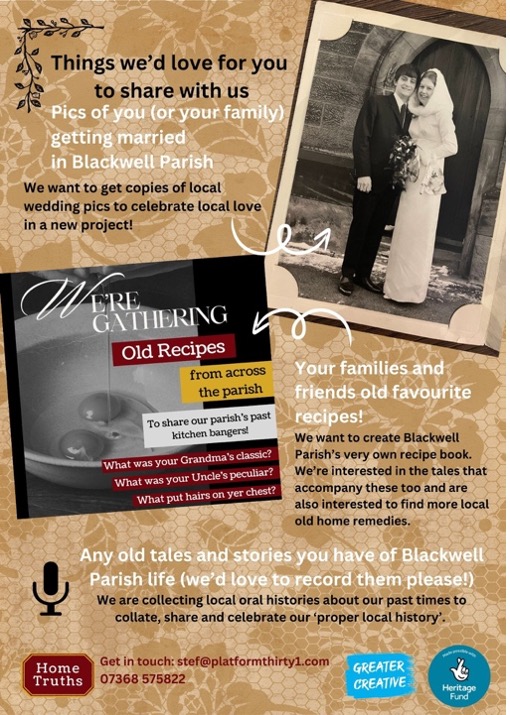
It wasn’t long before the project snowballed quickly as the residents got their weddings gowns down from their lofts, and before we knew it, a bigger project was emerging that would be an open showcase event at the church over Valentine’s weekend in February 2026.
This project is another example of how concepts co-develop in communities with local residents and gather, collate and celebrate our people and parish. It feels very special to be a part of this generative project that looks back to the past to bring people together in the present as we work towards preserving our local ways for future generations.
Here’s the project summary in a nutshell that came to be:
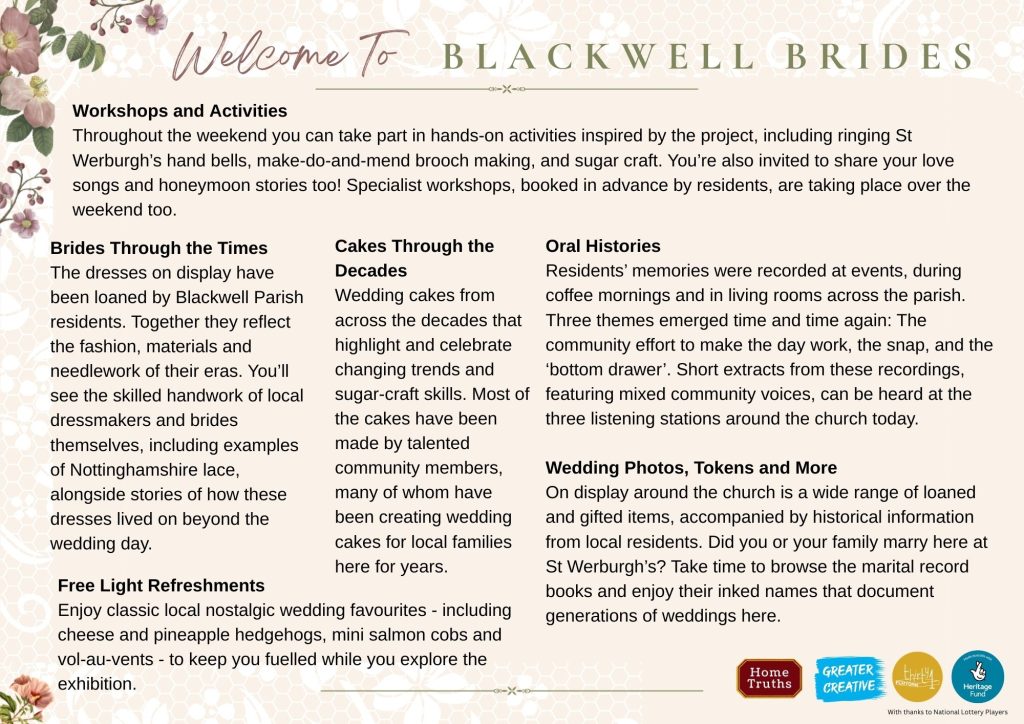
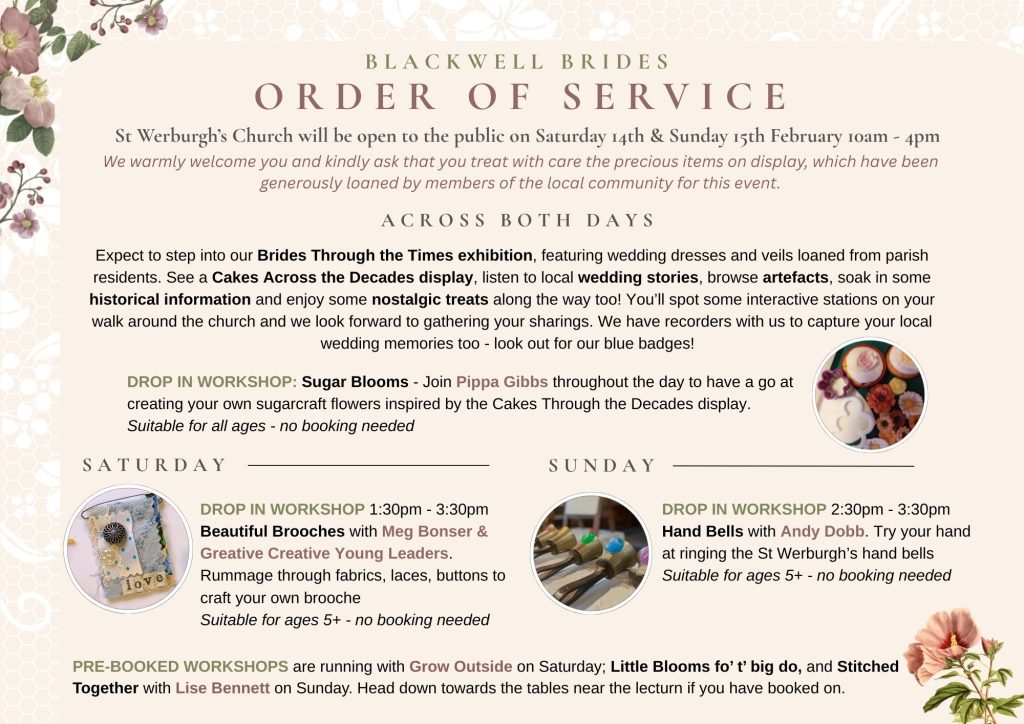
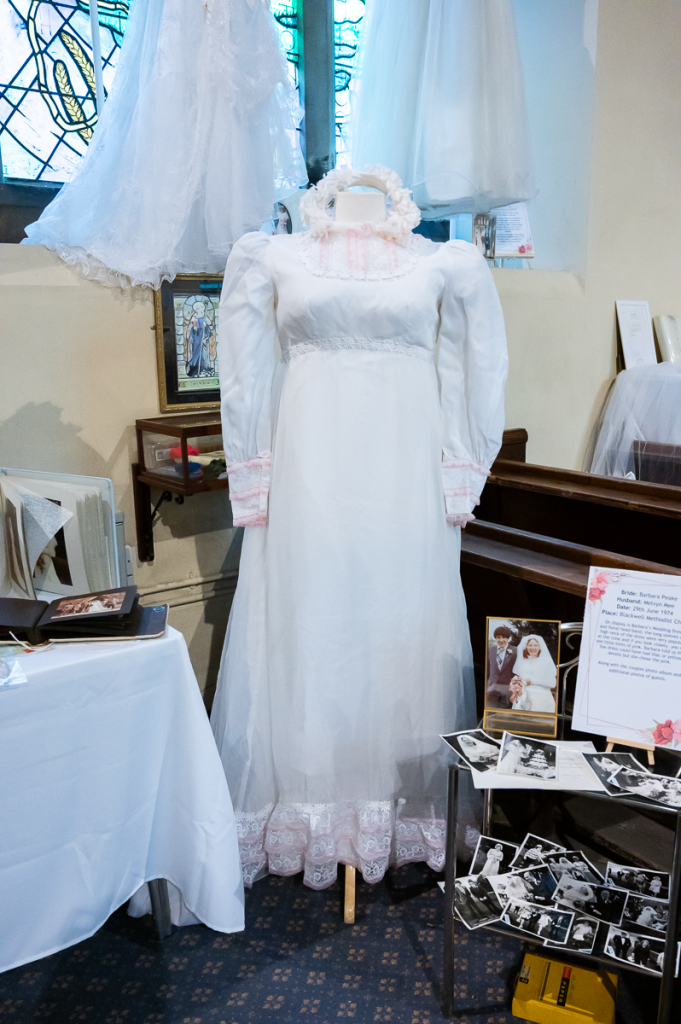
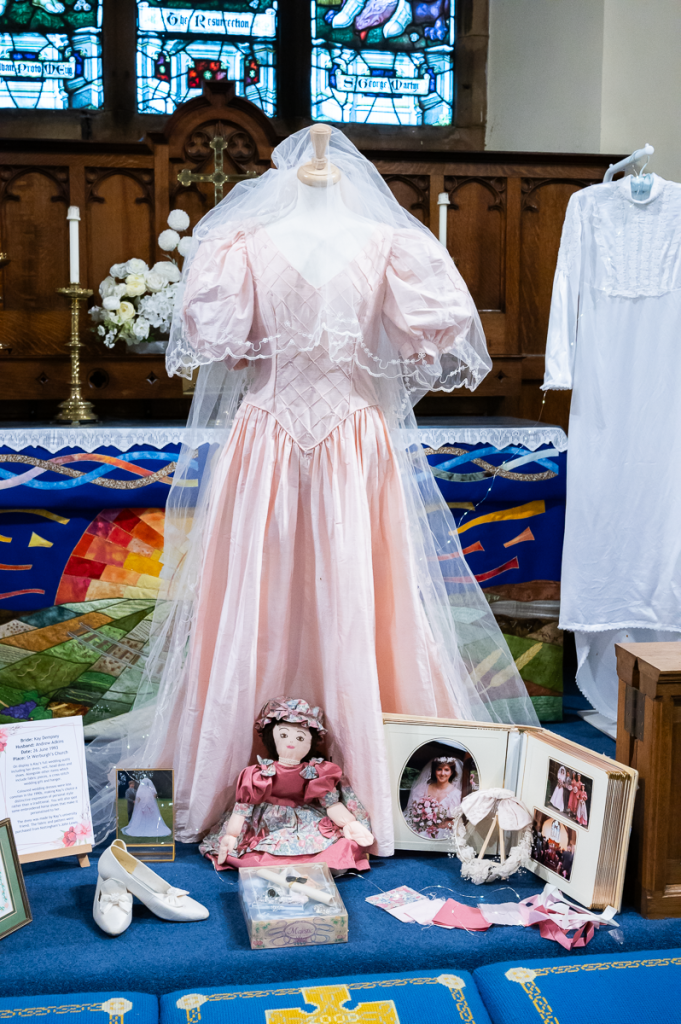
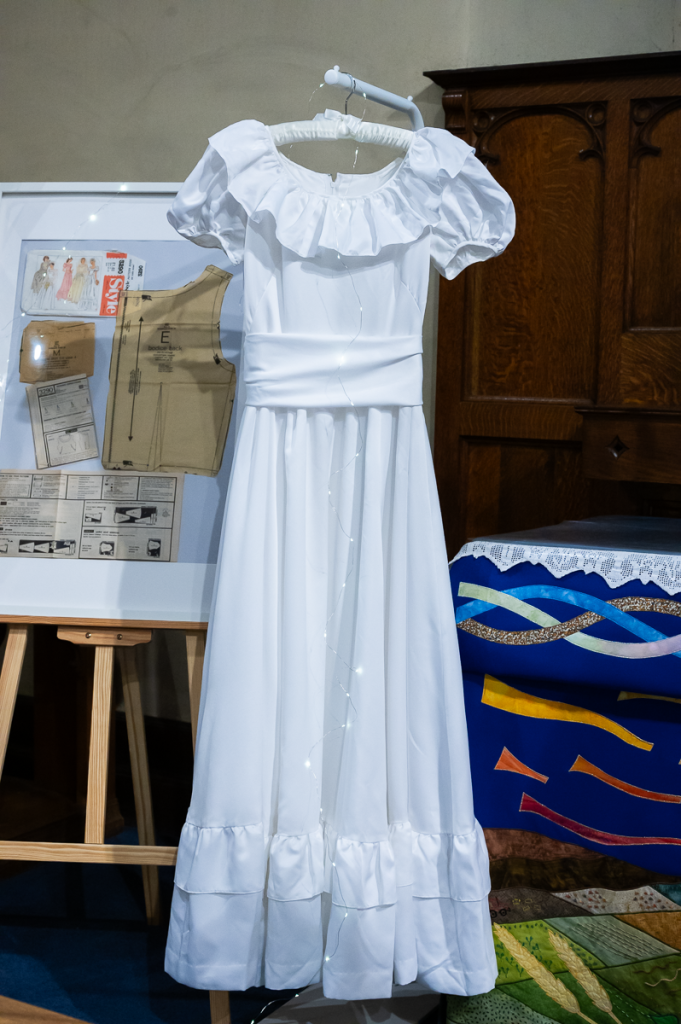
Brides Through The Times

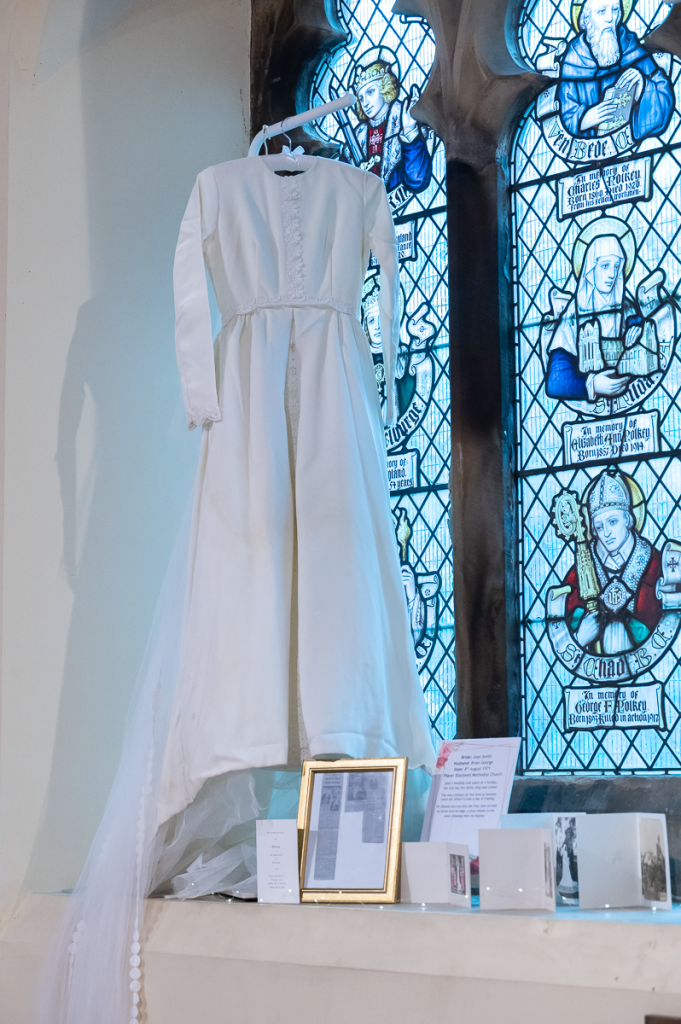
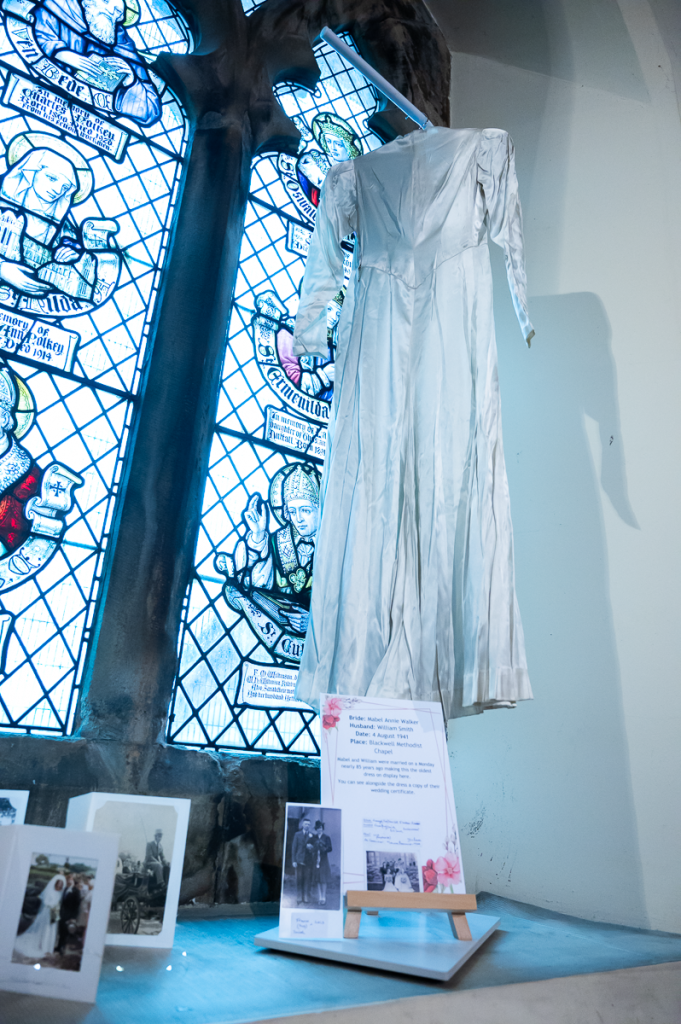
Barbara Sainsbury’s wedding collection.











A few words from Stef Haydon, Community Project Producer:
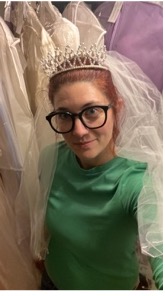 Working as a community co-ordinator for the Blackwell Brides project has been an amazing experience. A big part of my role involved visiting people in their homes and exploring the treasures they had saved from their weddings, albums, invitations, cards, and, of course, their dresses sometimes in the original boxes from the early 60s!
These visits were often deeply sensitive. Many people had lost their partners, sometimes very recently, and looking through these mementos meant revisiting memories of first meetings, first love, and the joy of the wedding day itself. Being entrusted with such personal histories was sometimes a bit daunting, though done with care and planning we were able to ensure everything a was safe and sound for the duration of the project.
At the same time, weddings are full of laughter and silliness, tales of creative reuse of dresses were hilarious with one lady telling me how she had turned the bottom of her wedding dress into two lampshades, and another’s suit trousers ended up in a local pantomime as part of an Aladdin costume! It made me realise just how much life these garments could have beyond the big day.
Perhaps the most striking thing was the sheer value people placed on these items. Some had been preserved for decade up to 85 years carefully stored in lofts, boxes, and envelopes, holding memories that were often full of emotion. Witnessing this preservation of personal history underscored the importance of everyday objects in our lives and the stories they carry.
Being able to observe these treasures and hear the stories behind them has been a privilege.
Cakes Through The Decades
What started out as a potential ‘interpretation board’ idea to visualise some of the ‘cakes though the decades’ at the event quickly escalated from having one ‘dummy cake’ to then becoming a live brief to make the cakes though the decades! One things for sure, the residents of Blackwell Parish has never been short on creative talent and we know only too well from their creations of the ‘Re-Create The Streets Models’, if they are given a task, by gum, they don’t do it by halves!’. Here’s the wonderful ‘cake through the decades display’, of which most of these amazing examples have been created by local bakers and makers to hear tales of this nature recorded in the community
Long before the towering white wedding cakes we know today, couples celebrated with bride pies. During the 16th and 17th centuries, these were the stars of the wedding feast. Recipes included ingredients believed to have romantic properties – sweet potatoes and even cock sparrow brains! The most elaborate versions contained everything from oysters to stuffed larks, with live birds or a snake hidden inside to surprise guests when the pie was cut.
Bride cakes started appearing alongside these pies – more like sweet yeasted breads with spices and fruits. Over time, these evolved into fruit cakes. By the 18th century, Elizabeth Raffald included the first recipe for ‘Bride Cake’ in her 1769 cookery book The Experienced English Housekeeper, suggesting icing with almond paste and sugar – the beginning of a tradition that continues today.
The 19th century saw wedding cakes transform into spectacular centrepieces. Queen Victoria’s 1840 wedding cake weighed 300lbs and was over a foot tall. White icing became a symbol of wealth, as refined white sugar was extremely expensive and became known as royal icing.
For most people expensive and elaborate cakes remained out of reach. By the late 19th century, smaller and cheaper versions became available. To bring costs down, bakers would leave out expensive ingredients like candied citron, or swap butter for margarine and whole nuts for almond essence.
During the Second World War, rationing meant couples had to be inventive. Elaborately decorated cardboard cakes were designed to sit over a plain sponge or light fruit cake for the wedding photograph. Today, heavy fruit cakes have become less popular, with many couples choosing lighter sponges, often without icing.
On display are wedding cake designs created by members of our community, representing each decade from the 1930s to today. Each reflects the styles, trends and possibilities of its time.

1930s Wedding Cake
Made by Pippa Hulley-Gibbs
Emerging from Victorian excess, the 1930s brought elegance. Wedding cakes featured clean lines and graceful proportions, typically with three graduated tiers.
Royal icing allowed skilled bakers to create intricate piped scrollwork, delicate beading, and beautiful sugar flowers. Roses, gardenias and lilies were popular. Most cakes were white or ivory.
Pippa’s cake beautifully captures the era’s refined aesthetic with its softly sculpted sugar roses and ornate piping work.

1940s Wedding Cake
Made by Pippa Hulley-Gibbs
The 1940s were defined by wartime rationing and austerity. With sugar, eggs and butter scarce, couples had to be resourceful and inventive.
Many bakers created modest single or two-tier cakes with simple royal icing or mock buttercream. Decorative cardboard covers were often placed over plain sponges to create the illusion of grandeur for photographs.
Pippa’s single-tier cake with its delicate scrollwork, shell border and sugar roses perfectly captures the beauty of the era.

1950s-1960s Wedding Cake
Made by Caroline Adcock
With rationing finally ending in 1954, wedding cakes returned to celebration and abundance. Multi-tiered cakes became the centre piece of receptions, often reaching impressive heights with pillared construction.
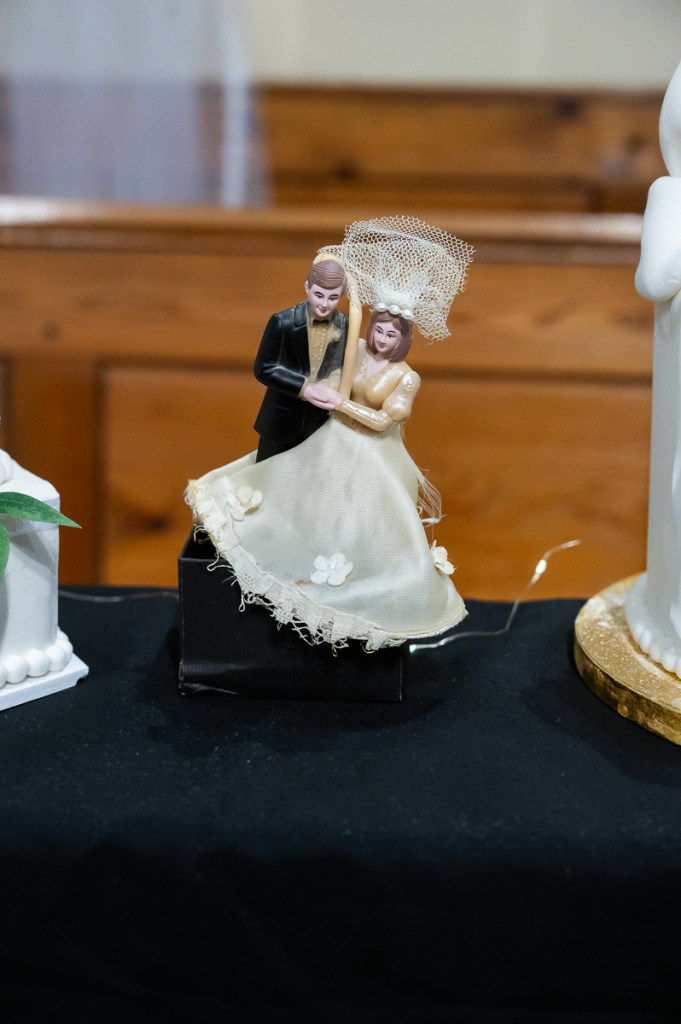
Royal icing remained the standard, creating smooth white finishes perfect for elaborate piped decorations. Sugar flowers in soft pastels particularly roses, adorned the tiers, while the bride and groom cake topper became an essential feature during this era.
Caroline’s cake captures the classic style perfectly, with its delicate peach roses, shell border piping, pearl-like details.

1970s Wedding Cake
Made by Pippa Hulley-Gibbs
The 1970s brought revolution in wedding cake design. Couples embraced colour, creativity and personal expression, moving away from formal white traditions.
Buttercream allowed textured, handcrafted finishes, while square tiers and informal shapes replaced strict symmetry.
Pippa’s exuberant cake captures the era’s bohemian spirit with its hand-sculpted flowers.
 1980s Wedding Cake
Made by Sheila McCabe
The 1980s embraced grandeur and opulence. Wedding cakes reached new heights—literally—with four to seven tiers supported by pillars, creating dramatic, symmetrical masterpieces.
Princess Diana’s 1981 wedding cake set the tone for the decade. It was five feet tall and ornately decorated. Fondant became widely available, creating smooth finishes, while royal icing added intricate Lambeth piping. Sugar flowers like roses, orchids and lilies were abundant.
Sheila’s elegant cake captures the era’s love of elaborate detail and traditional sophistication.
 1990s Wedding Cake
Made by Pam Stocks
The 1990s brought a shift toward elegance and simplicity. Wedding cakes featured clean lines with smooth fondant or buttercream finishes.
Simple stacked tiers were adorned with subtle details like ribbon borders, piping or edible lace. Colours remained classic white, with accents like lilac or sage.
Pam’s cake features the era’s signature flower: calla lilies. Their sleek, sophisticated form perfectly captured 1990s minimalist style while maintaining romantic elegance.

2000s Wedding Cake
Made by Tracey Roberts
The 2000s introduced contemporary sophistication to wedding cakes. Square tiers, asymmetrical stacking and offset designs created architectural interest, while satin-smooth fondant became the foundation for sleek, couture-inspired looks.
Gum paste allowed cake decorators to craft incredibly realistic, oversized sugar flowers like peonies and calla lilies, used sparingly but dramatically.
Graphic ribbon bands, quilted patterns with edible pearls, and clean geometric designs reflected the era’s fashion-forward approach to celebration.

2010s Wedding Cake
Made by Janet Newham & Tracey Roberts
The 2010s saw wedding cakes evolve toward refined elegance with a modern twist. Couples favoured polished, couture-inspired designs while embracing subtle creativity and personal touches.
Cakes often featured smooth fondant finishes with softly sculpted sugar flowers, sometimes combined with fresh blooms. This cake captures the era’s chic aesthetic, combining classic elegance with contemporary sensibilities and composition.

2020s Wedding Cake
Made by Tracey Roberts
In the 2020s, anything goes! Creativity and individuality define the decade, with couples choosing designs that reflect their personal style. Some even opt for alternatives like towers of doughnuts or stacked cheese wheels instead of traditional cake.
Tracey’s piece captures a beautiful blend of British tradition and modern twist, celebrating the freedom and imagination across the eras.

Fabulous cake toppers brought in by the community from their wedding celebrations
“I really enjoyed making the dummy cakes on this – took me back to a time when I seemed to be baking constantly for various events!Had lots of fun with this, found it quite challenging (and frustrating at times) making the calla lilies, something I hadn’t done before, but learning new skills along the way was a bonus for me. The cakes were all beautiful once on display so it was worth all the effort, many people had lovely comments about the whole event. Being part of this team has given me a sense of pride to be in the parish and it was a lovely experience. To see people in church supporting the event and listening to their thoughts and views was quite breathtaking. “– Pam Stocks

Oral Histories
Alongside taking in weddings, dresses, tokens, photos etc, we also listened to people telling us about their memories of getting married locally. Through hours of recordings we noticed three patterns that came though time and time again; ‘The Blackwell parish Way’, how the communities did weddings, usually together, pulling together their skills, resources and care (when the shops were closed of course for business!). The ‘Snap’, yup, we’re calling it snap, because so many of you fondly talked about food at weddings in this lovely local vein, and the ‘local spread’, often buffets were memorable to most! Many residents shared in their ‘bottom drawer’ gatherings too, once married couples were often propelled into a house together.
With the support of audio technician Andrew Dobb, we shared a glimmer of these oral history themes at the event and these were housed in handmade and constructed props developed with the community and created by Melanie Perkins. You can have a listen to these below:

This one has a theme of : Snap, Sink your teeth into these tales.

This one has a theme of : The Bottom Drawer. First home!

This one has a theme of : Community efforts for’t big do.
The Workshops
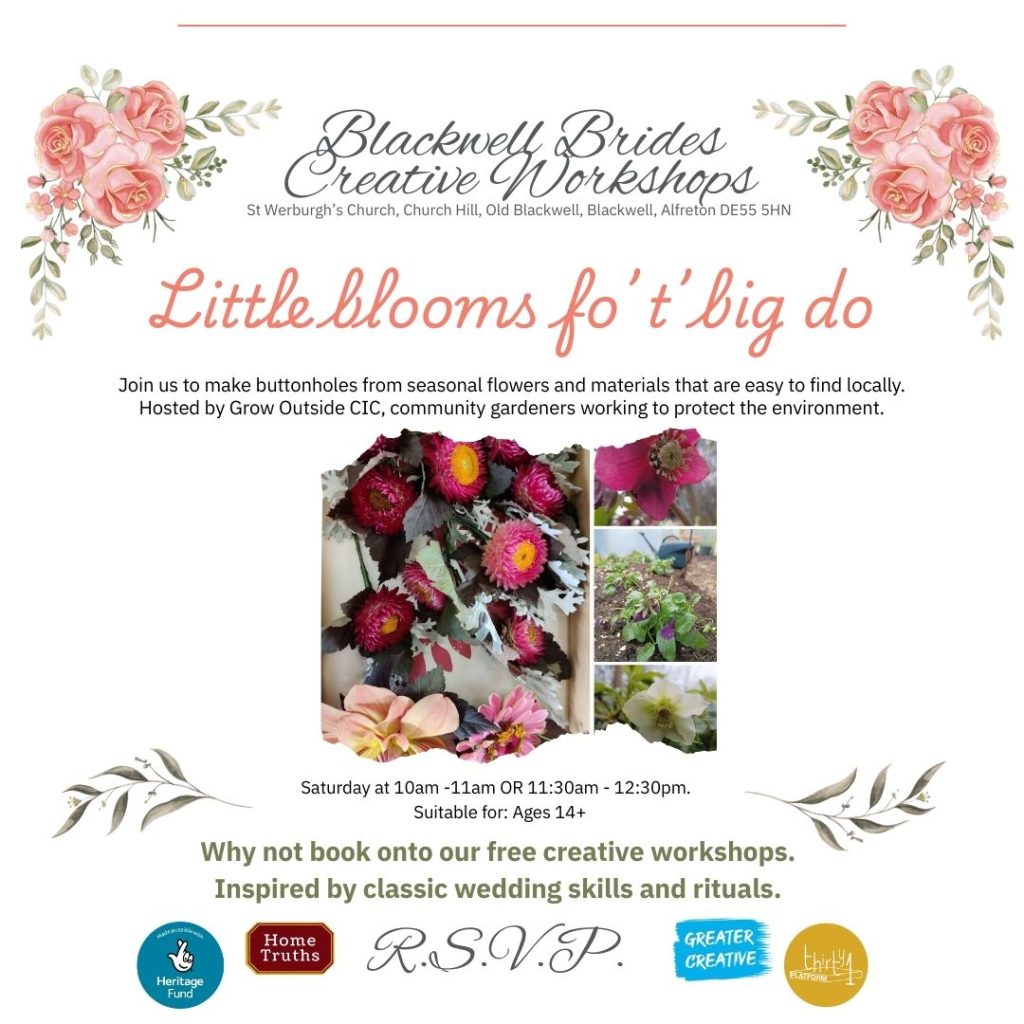
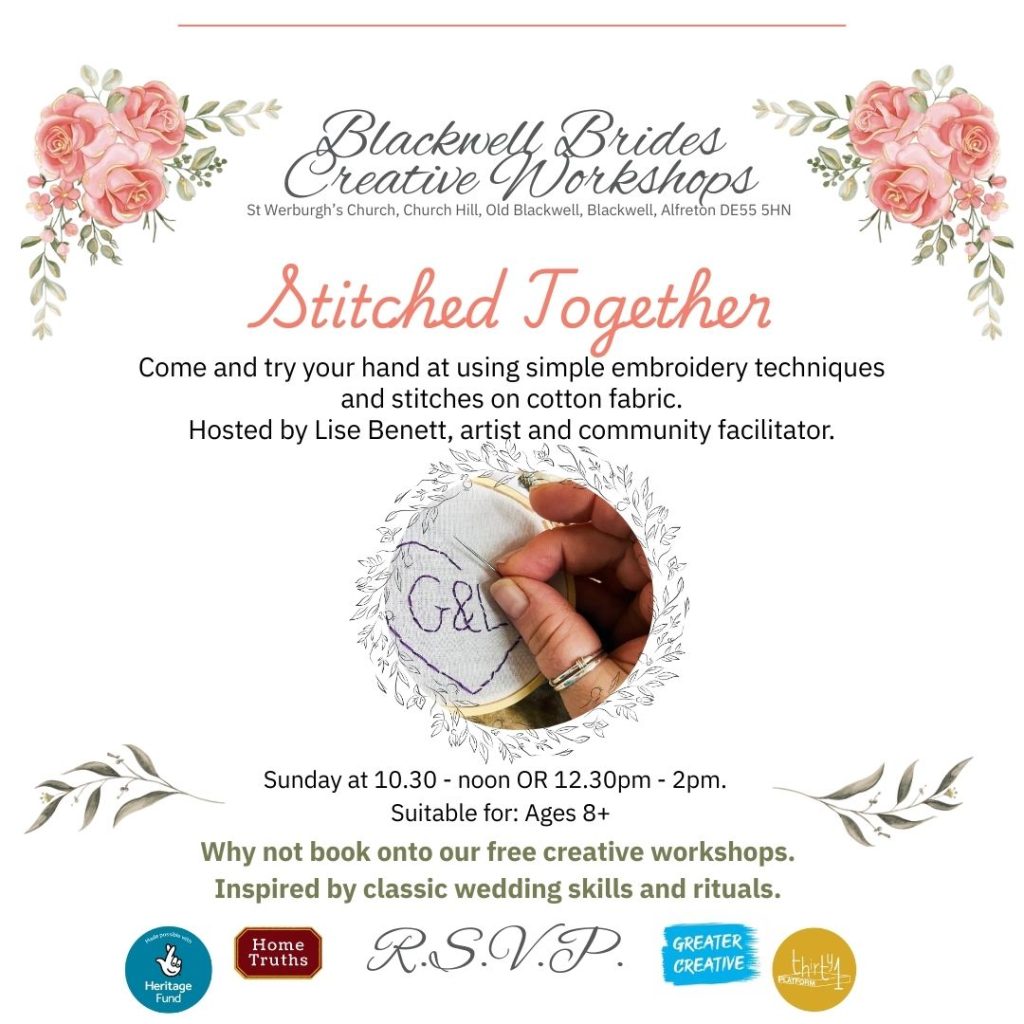
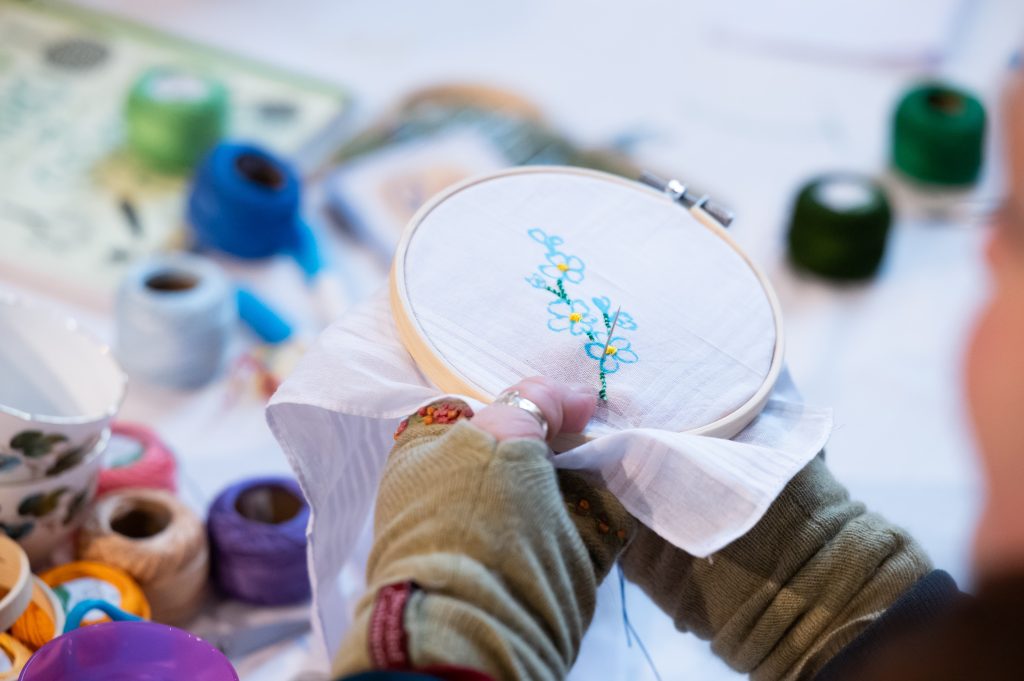
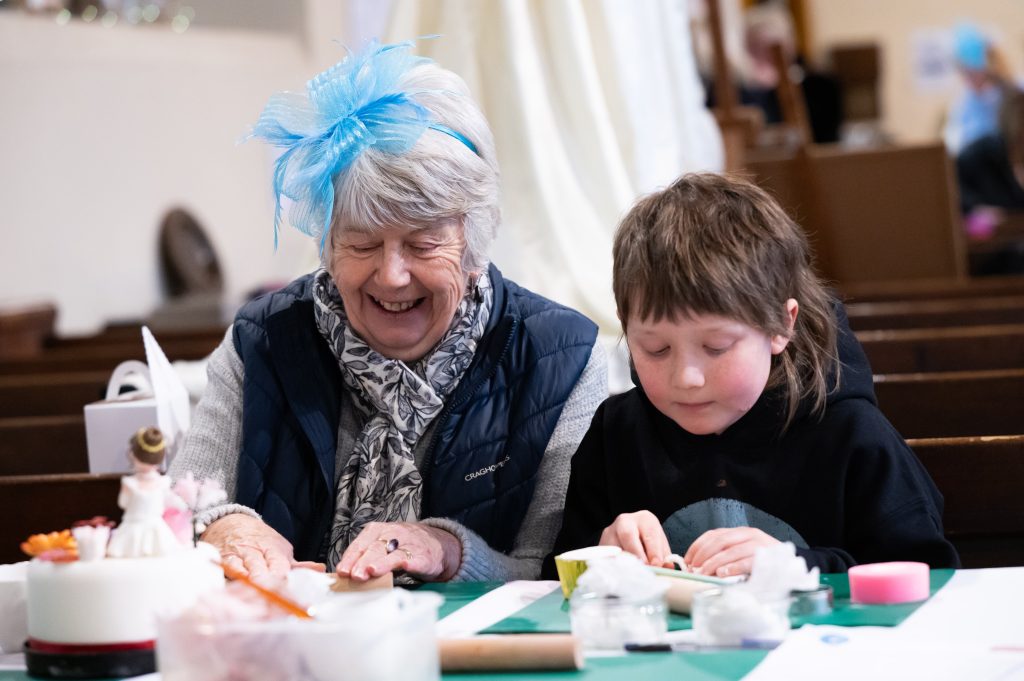
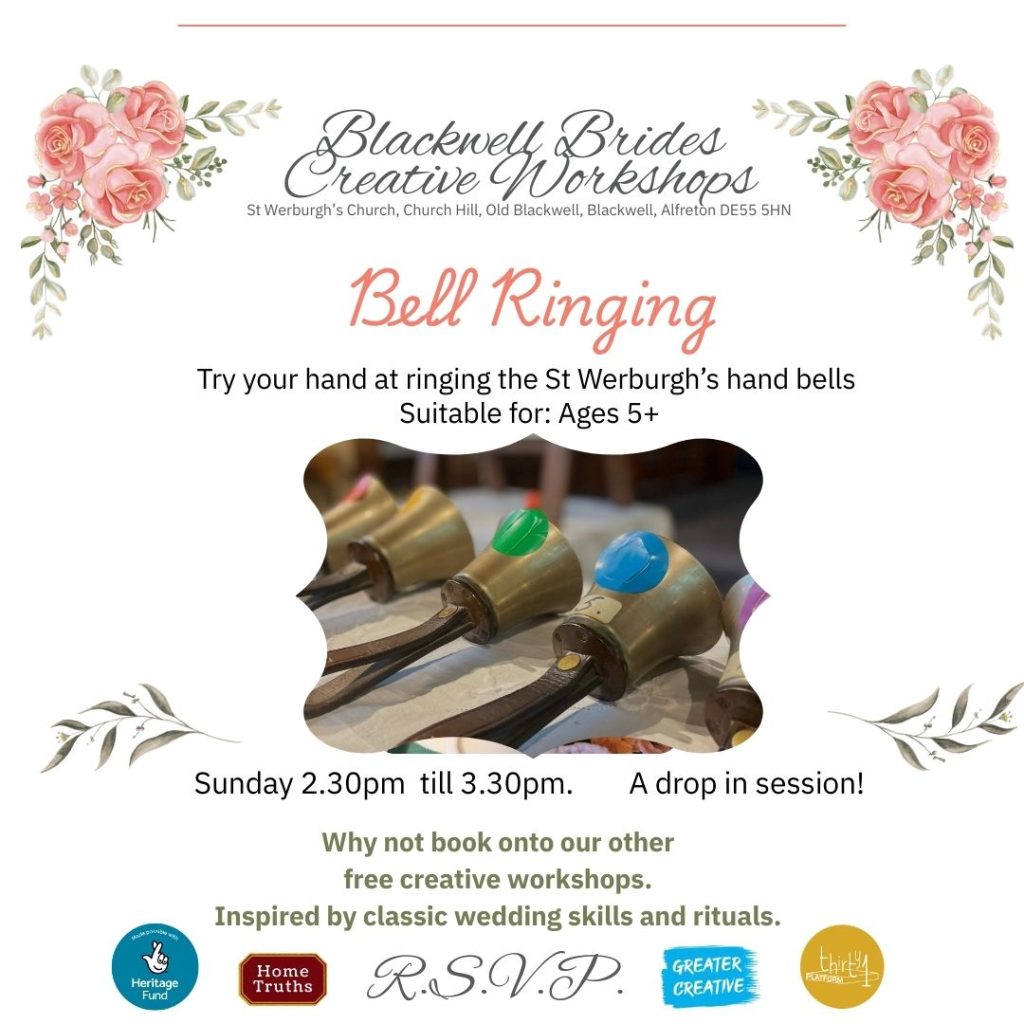
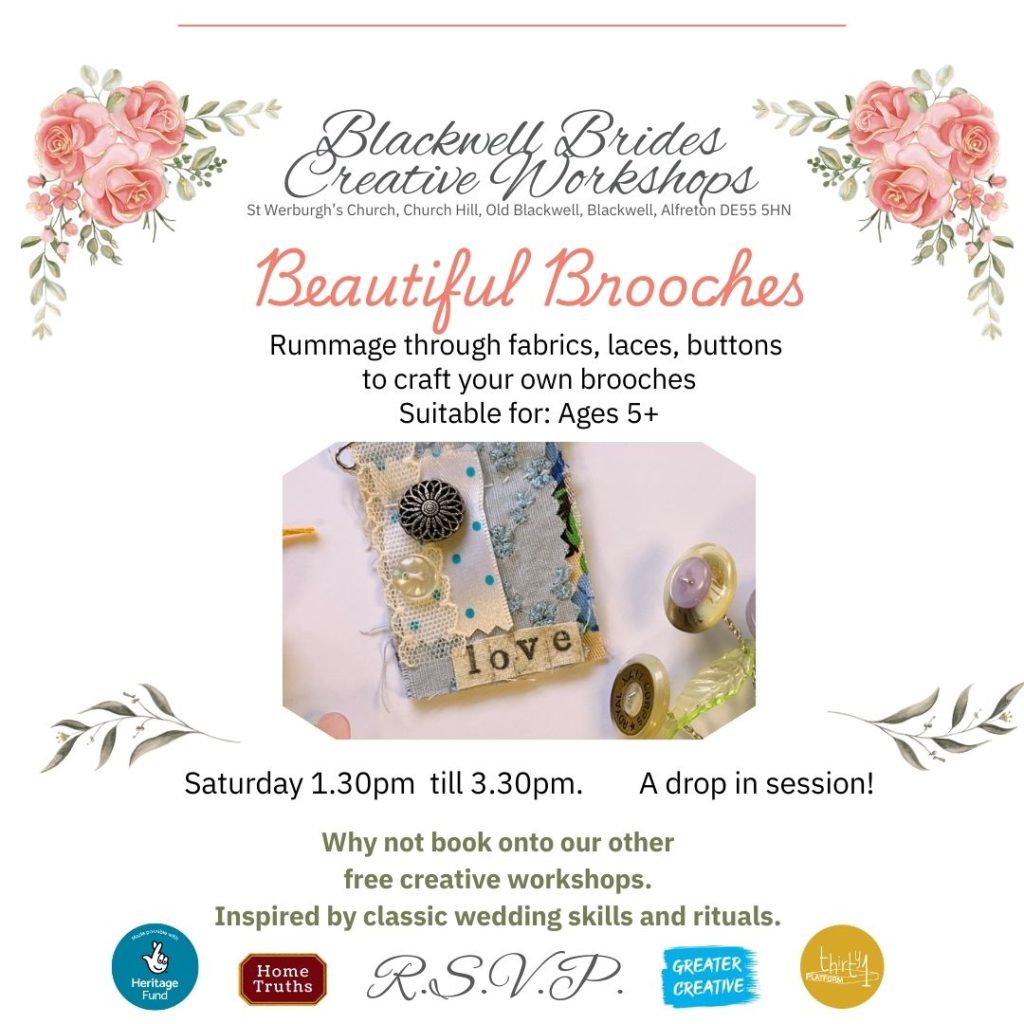
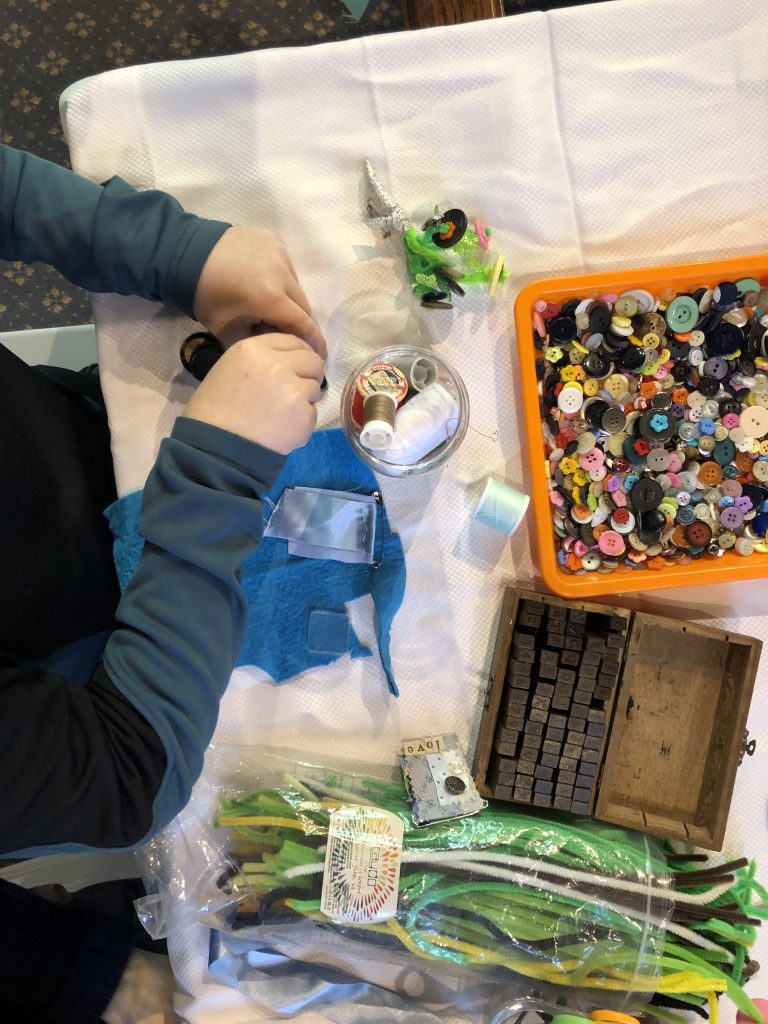
Based on the traditions and rituals we came across on the project; we commissioned local professionals and local community volunteers to come and develop and deliver workshops that took place at the event too. Here’s a taste of the activities we had on offer











The Event Group
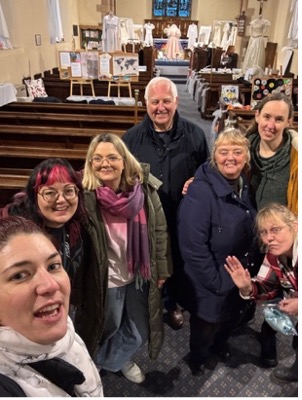
A very special thank you to: Pam Stocks, Barbara & Robert Sainsbury, Janet & Ian Newham and Jacqueline Smith, all local residents who worked on the event design, development and install with Platform Thirty1 and freelance professionals.
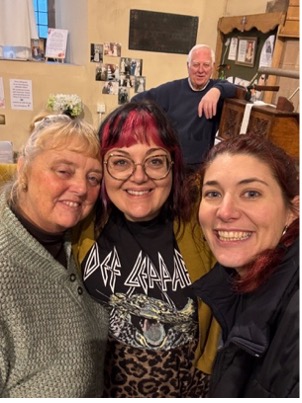

The Event
We got a little bit excited and lost the tally sheet for half a day – Ooops! But we did count
303 visits
over the two days (that made it to the page anyway!). We were thrilled of how many locals turned out in the frost, wind and rain over valentines to come and share in this event with us. We were astounded by how long you stayed with us too, it was so great to have you spend time with us and thank you to those of you that also recorded your wedding memories with us over the event too! We hope you enjoyed the themed nosh (Thank You Lisa!) and are still making your way through the sugared almonds without a trip to the dentist for a re-crown!
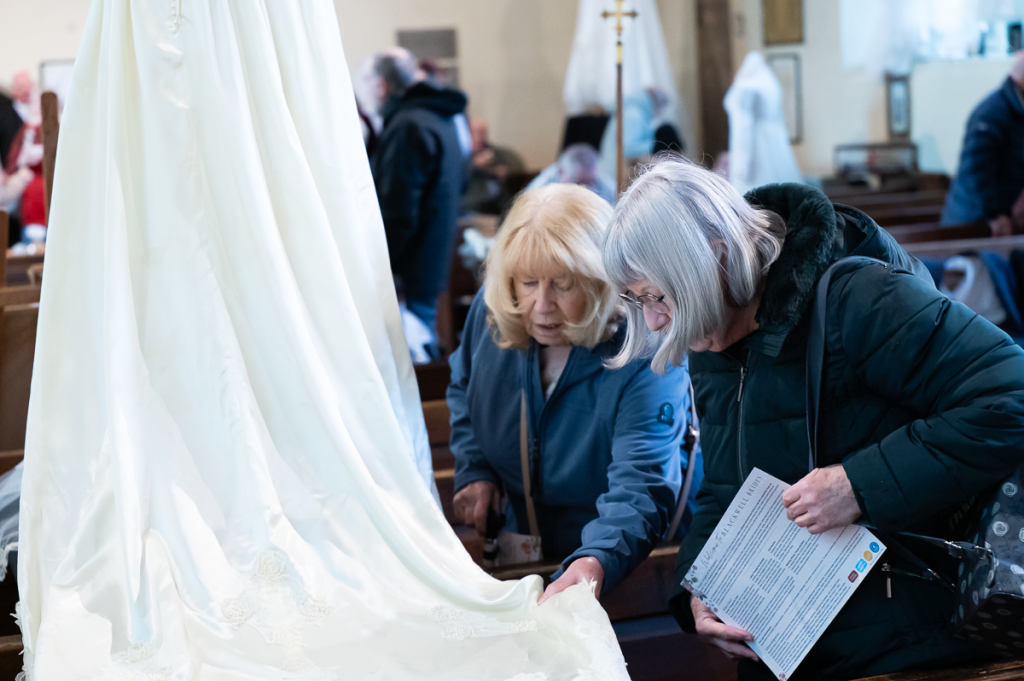
Here’s some of the photographs taken on Sunday with thanks to Dean Leivers Photography




FROM FEEDBACK FORMS:
“I’ve never been in the church before”
“ It was perfect, we loved the stories and history”
“ A really welcoming enjoyable event’
‘Lots of amazing memories on display, lively, warm atmosphere, welcoming’
“Very interesting, well organised and workshops were a lovely unexpected bonus’
“I think the atmosphere was great. So many people wanting to share their stories. Also seeing my old friends Linda and Mike Smart. It was their wedding anniversary that day and they relived their special day in the actual church they got married in. Also we enjoyed working with Jo she included us in decision making and was a pleasure to work with. “
– Janet Newham


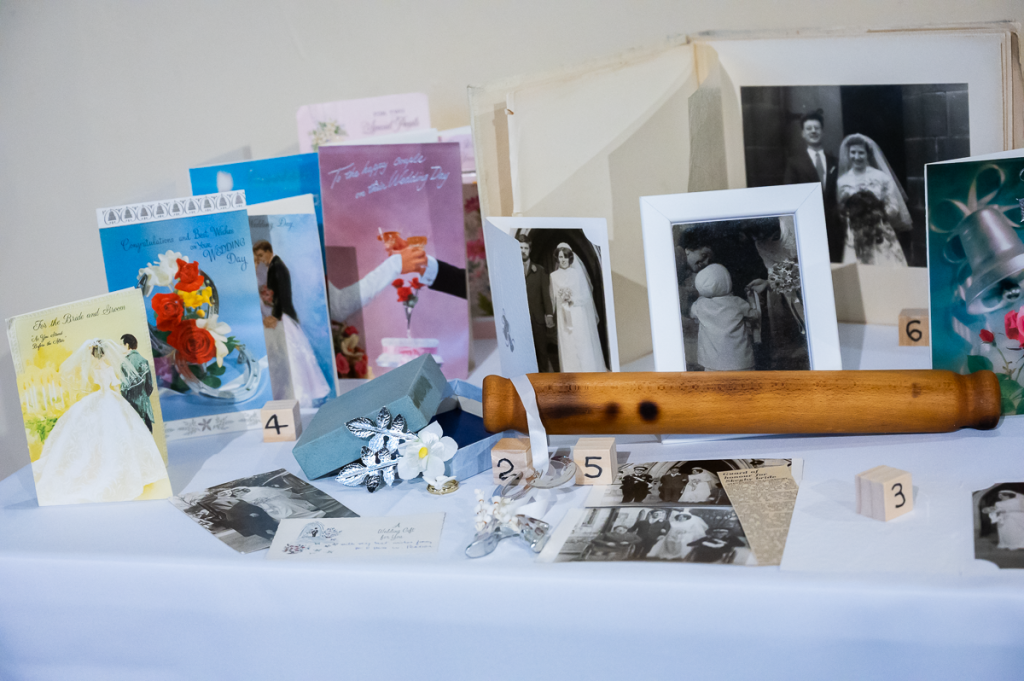


With thanks to the local community for donating their wedding photos and sharing their precious memories and belongings.
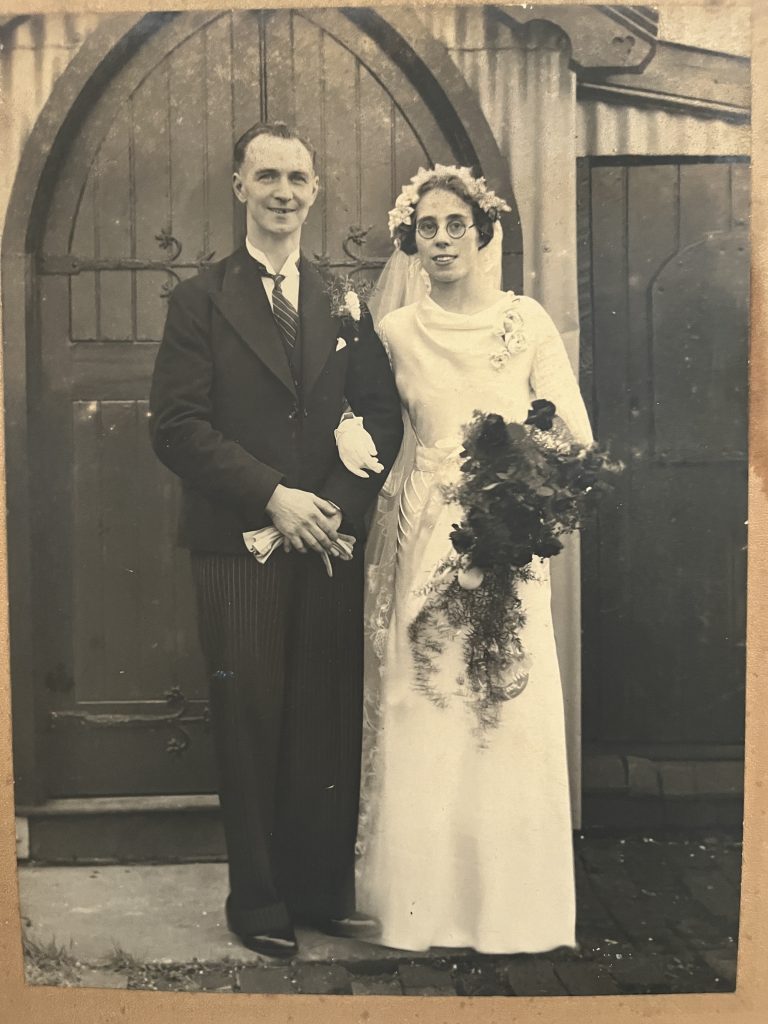 Mother of Dilys Smart. 1920
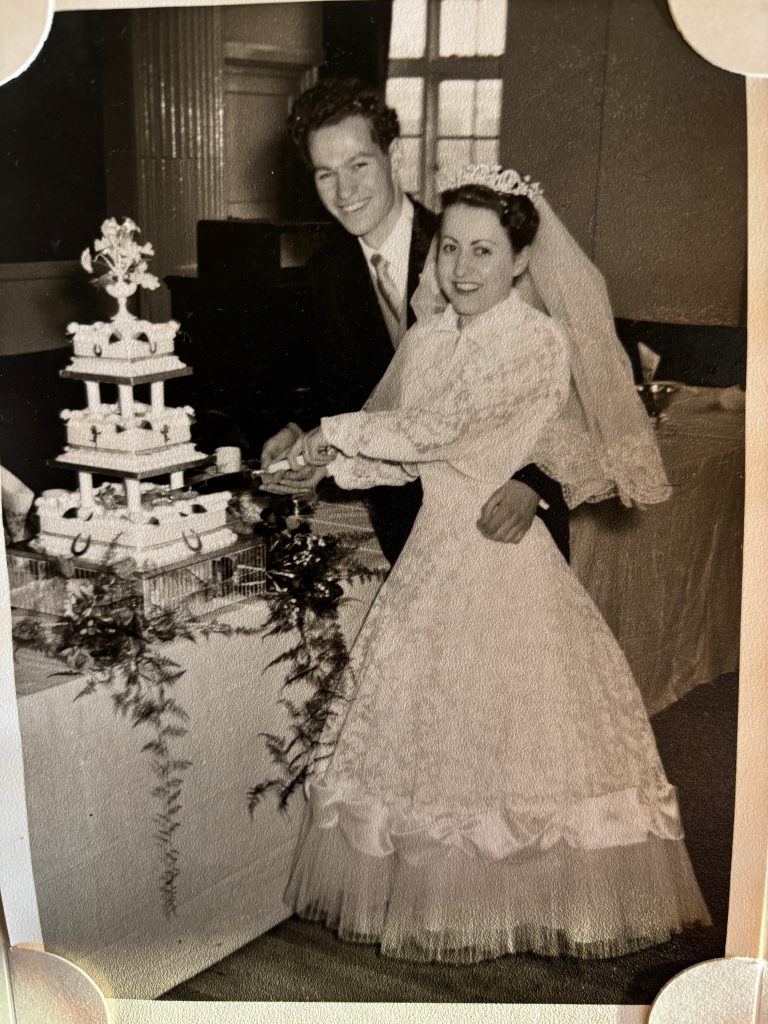 Dorothy Hardy 1957
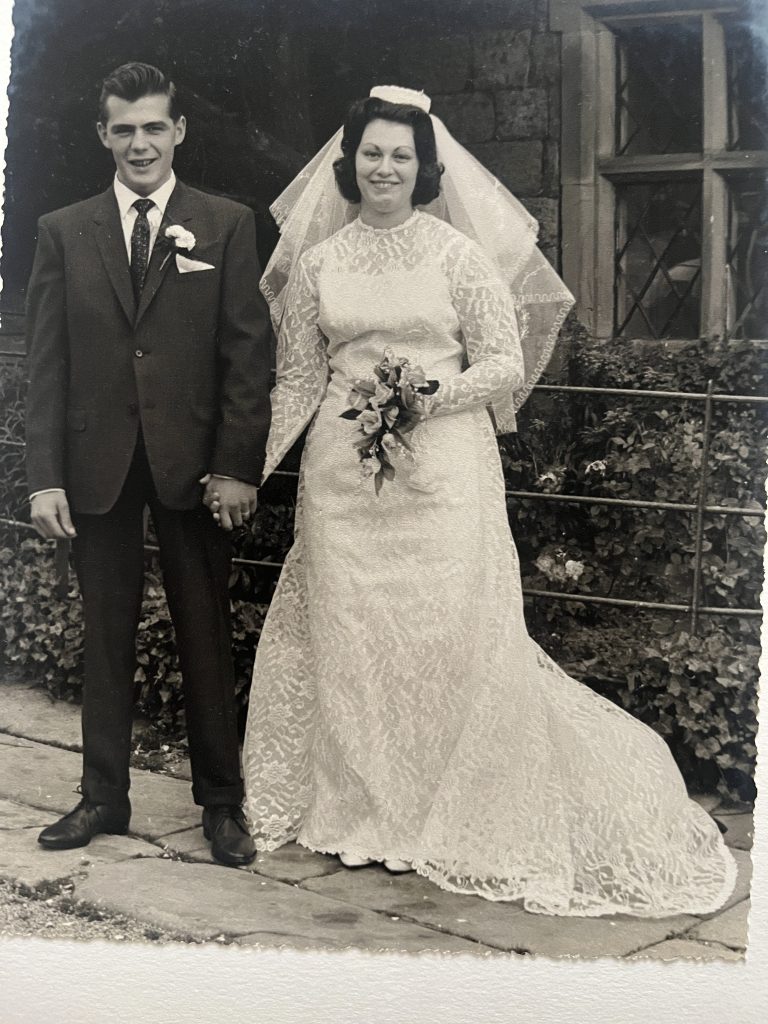 Dilys Smart 1964
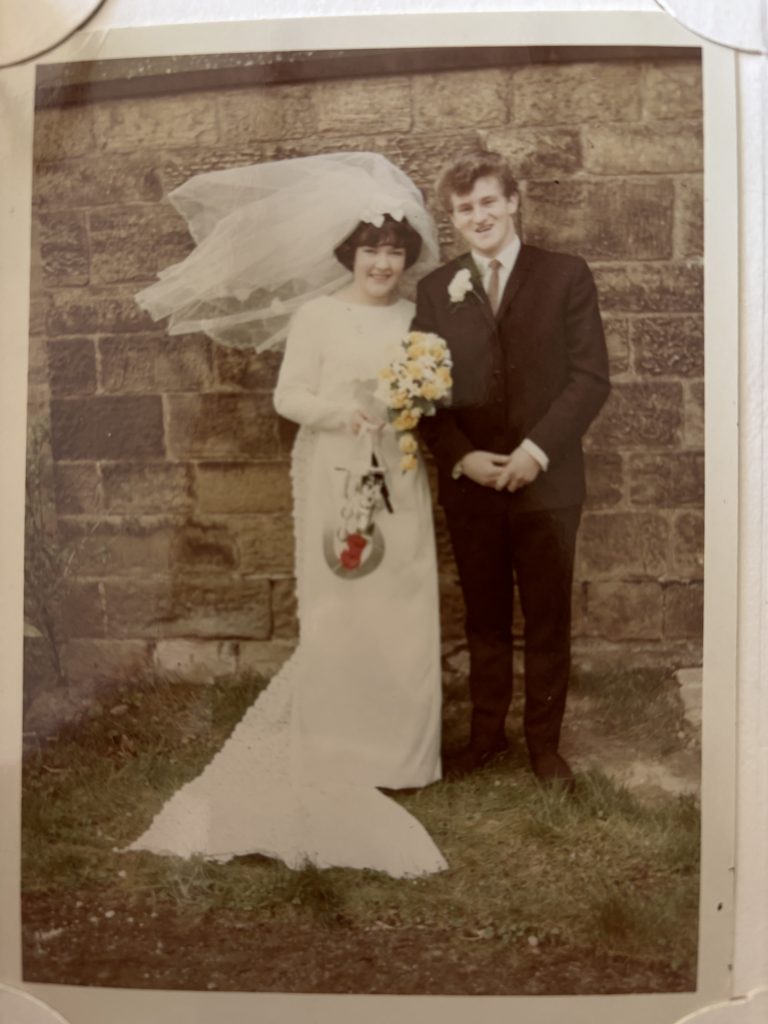 Brian and Ann Stocks 1967
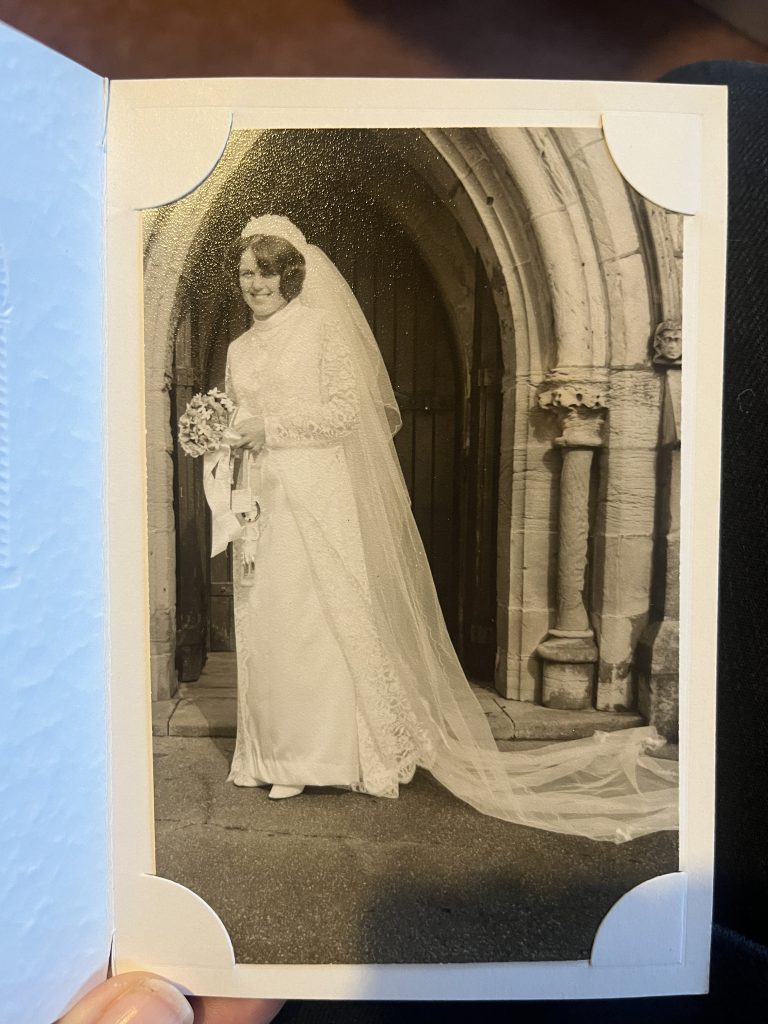 Carol Stevenson 1968
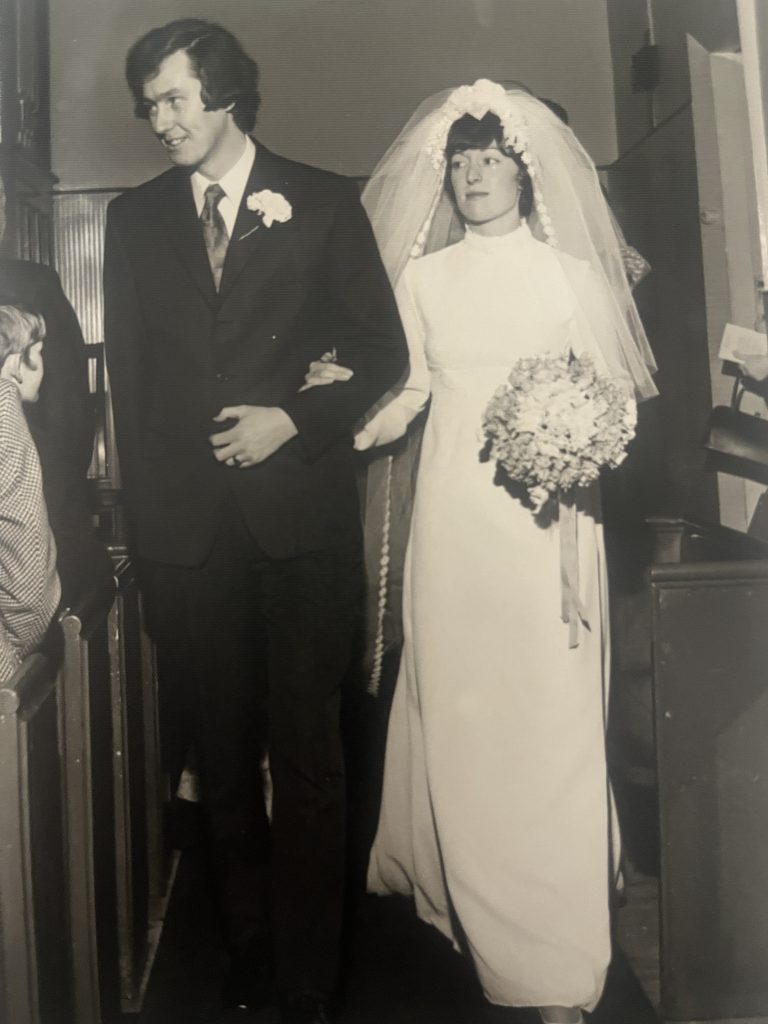 Sally Mason 1972
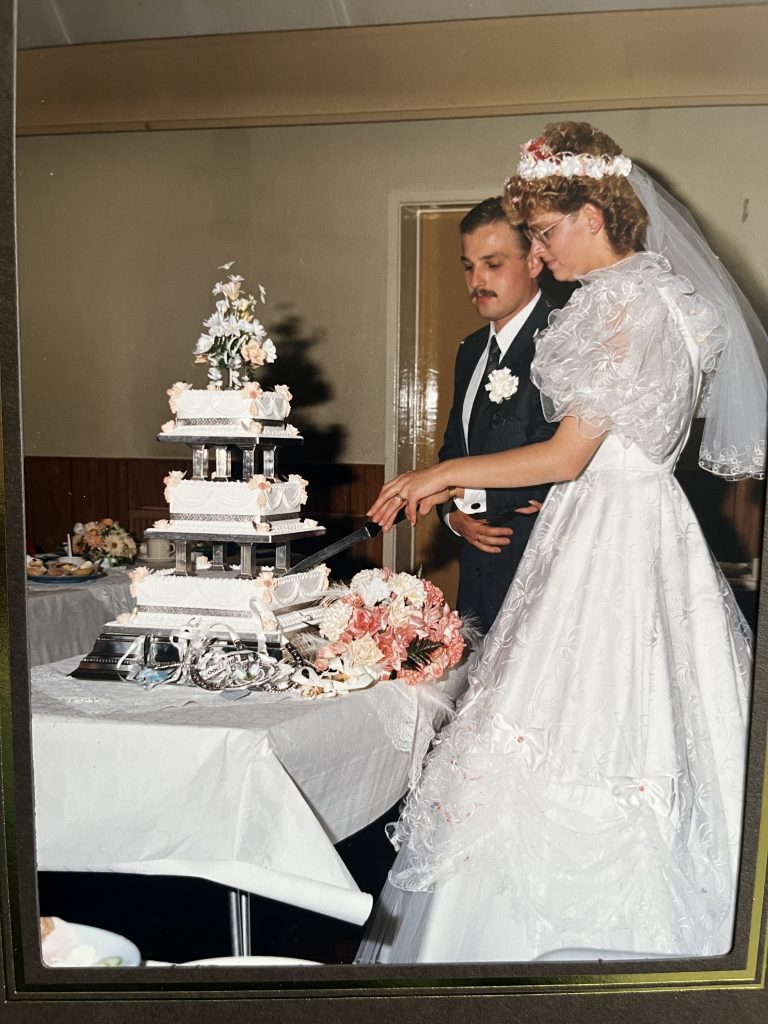 Karen Mitchell 1989
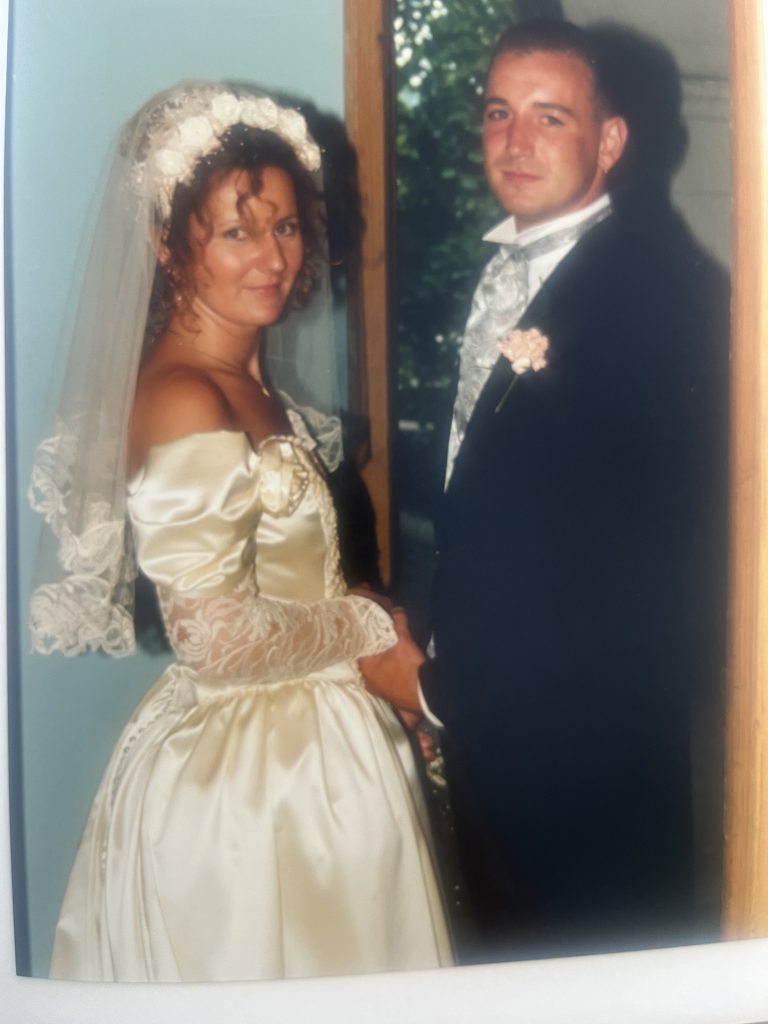 Liz Golding 1992
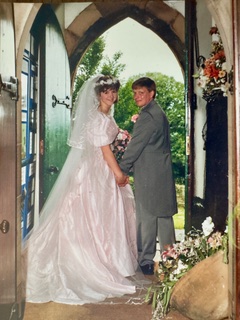 Kay Atkins 1993
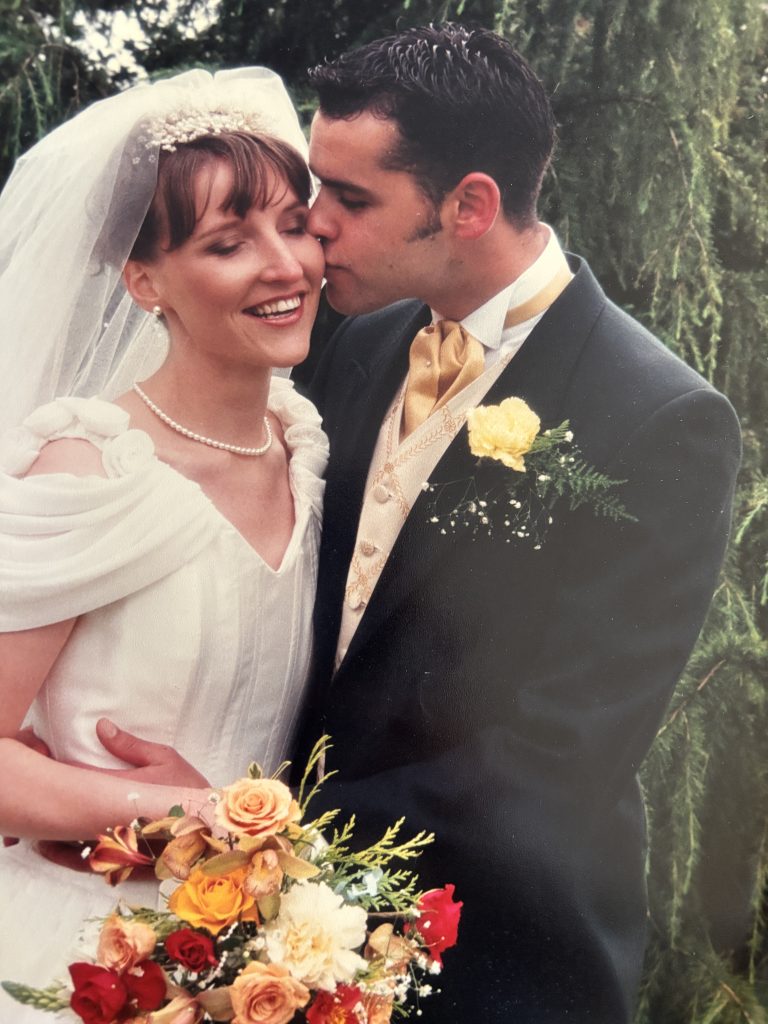 Tracey Taylor 1998
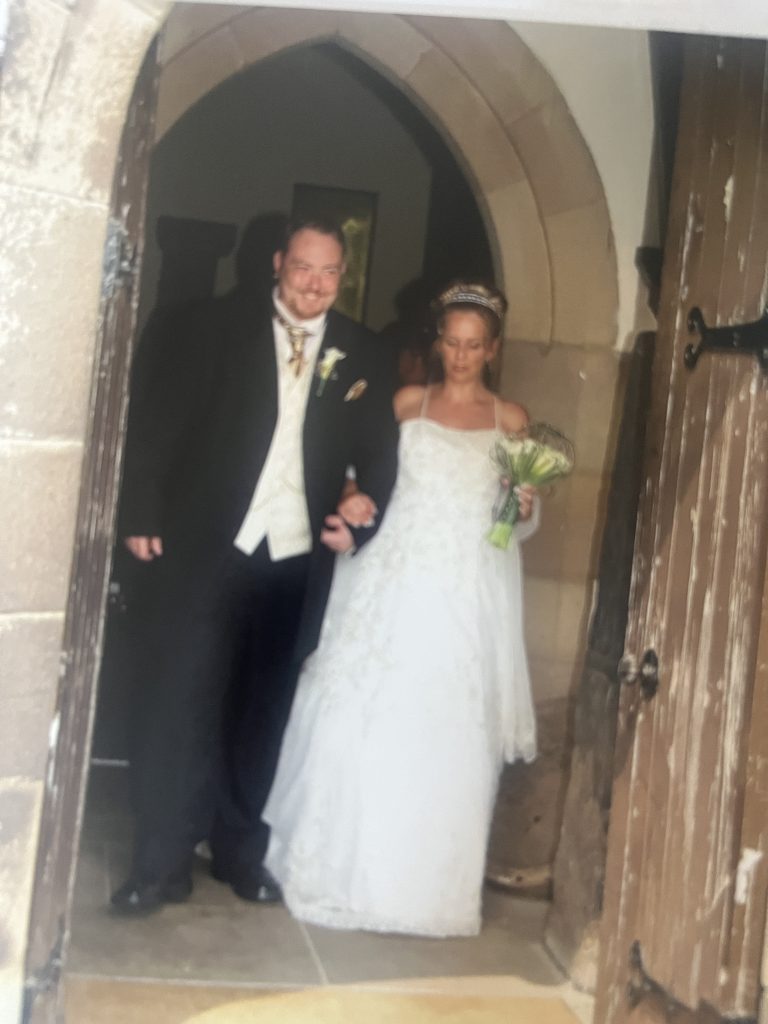 Mandy Smith 2006